
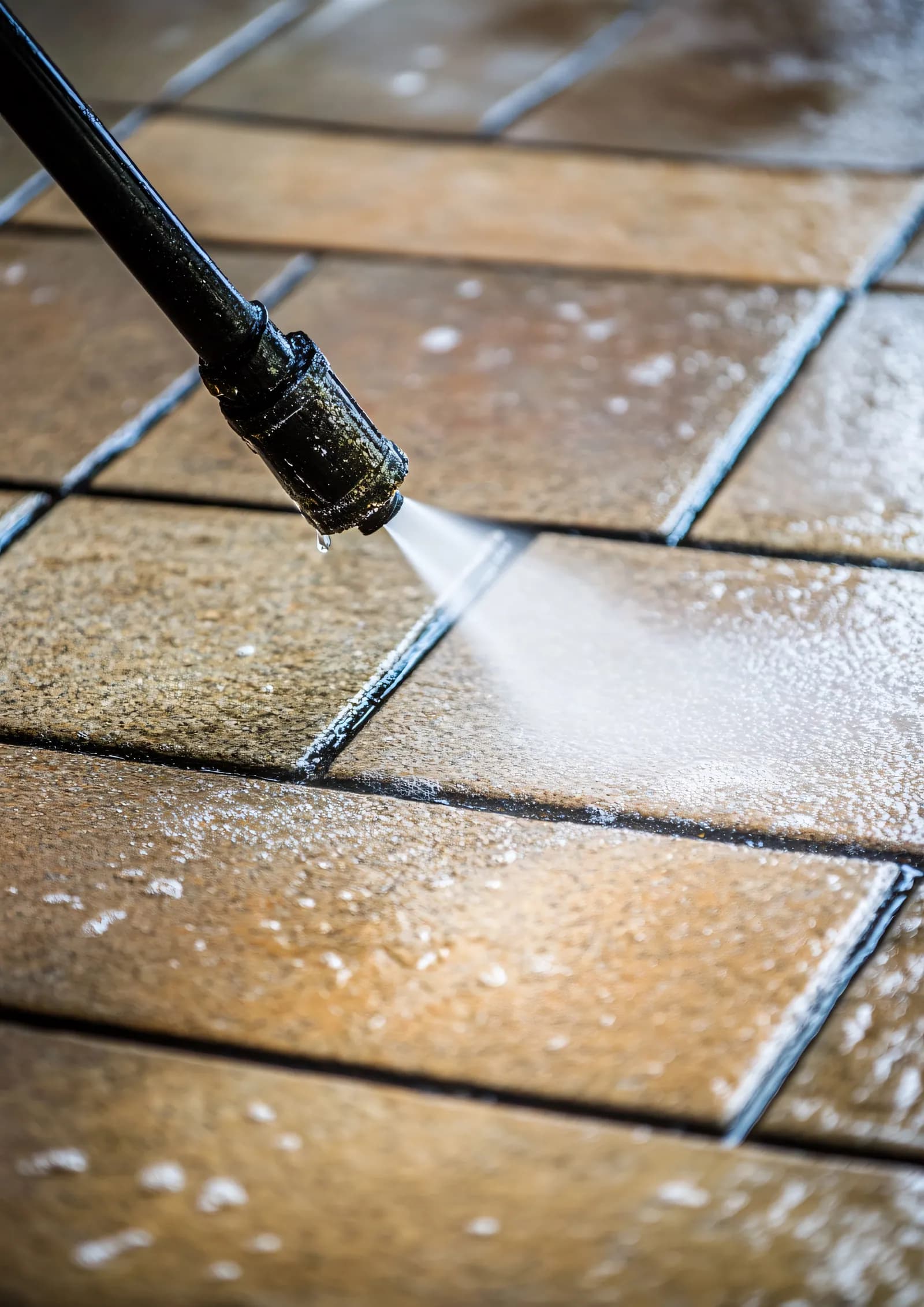
Sealing & Cleaning in Osprey / Nokomis, FL
Restore. Protect. Preserve.
Free Estimate in Osprey / Nokomis
On-site visit, written proposal, no obligation. Response within 24 hours.
Request Free Estimateor call (941) 735-0920Sealing & Cleaning in Osprey / Nokomis, Florida
In Osprey / Nokomis's climate, pavers that aren't maintained regularly fade, grow mold, and lose structural joint integrity within a few years. NNPavers restores and protects existing paver installations across Osprey / Nokomis and surrounding communities.
Osprey and Nokomis offer wooded, semi-rural lots along the Intracoastal Waterway. Projects here often involve drainage engineering, tree root management, and natural stone choices that complement mature landscaping.
Florida's climate works against your pavers every day — salt air, mold spores, UV bleaching, and organic staining are constant. Professional sealing and cleaning restores original color, prevents long-term damage, and extends paver life by years.
Why Osprey / Nokomis Homeowners Choose Pavers
- Removes mold, mildew, algae, and organic staining
- Restores original color faded by UV exposure
- Sealer locks in sand joints — prevents weed growth and ant hills
- Protects against oil, rust, and tire marks
- Recommended every 2–3 years in Florida's coastal climate
Natural drainage solutions and earth-tone materials complement Osprey's wooded character.
Common Questions About Sealing & Cleaning in Osprey / Nokomis
How often should pavers be sealed in Florida?
Every 2–3 years in Southwest Florida's climate. Salt air communities like Siesta Key, Longboat Key, and Anna Maria Island may benefit from annual sealing. We assess during your free estimate.
Can sealing fix discoloration from mold or algae?
Yes. We clean first — removing all organic growth, stains, and efflorescence — then seal once the surface is fully dry. The result typically looks as good as new installation.
Does sealing prevent weeds?
Sealing in combination with polymeric jointing sand is the most effective weed and ant prevention method available. The sand hardens between joints, blocking germination and insect tunneling.